 FC Twente Hub
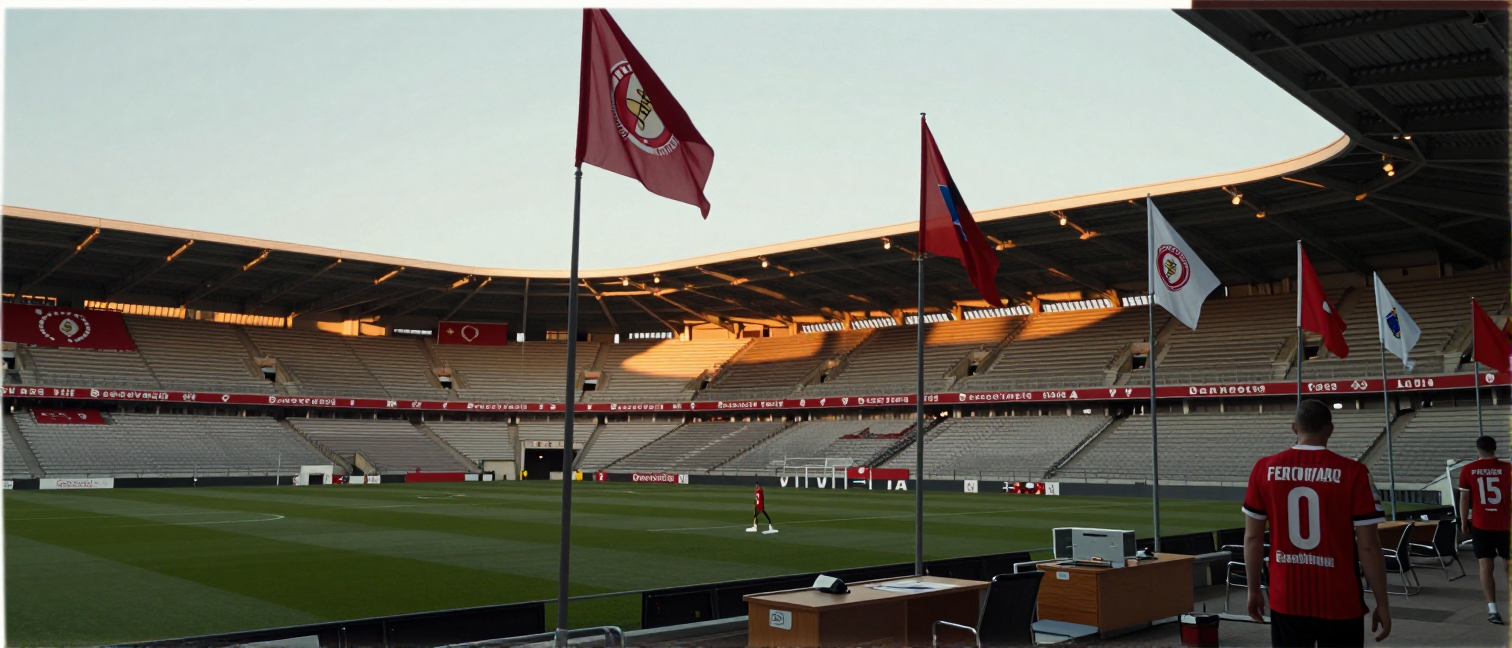
Every Tukker knows the stories of the 2010 Eredivisie title. That was a glorious achievement we will forever cherish. But those who dig deeper into the rich annals of our club's history will discover an adventure at least as legendary, if not more so: the heroic UEFA Cup campaign of 1975. In an era of raw football and pure club devotion, FC Twente wrote a chapter that put the club firmly on the European map for good.
It was a journey full of surprises and triumphs. The team, led by legendary coach Spitz Kohn, an eleven brimming with fighting spirit and talent, embarked on a European adventure that no one had dared to dream of. From the early rounds to the quarter-finals, De Tukkers showed their unwavering tenacity. But it was the semi-final against Italian giant Juventus, then a world-class footballing powerhouse, that truly captured the imagination. After a narrow 1-0 defeat in Turin, the Diekman Stadion erupted in the return leg. An unforgettable 3-1 victory, fueled by the deafening roar of the home fans, catapulted Twente into the final. We had slain a giant.
The euphoria was unprecedented. A modest club from Enschede stood in the final of a major European competition. However, the opponent was no lightweight: German side Borussia Mönchengladbach, an absolute European superpower featuring names like Berti Vogts, Rainer Bonhof, and Jupp Heynckes. It seemed like David versus Goliath, but De Tukkers had no intention of surrendering easily. The atmosphere leading up to the final was electric; the tension hung palpably in the air above Twente.
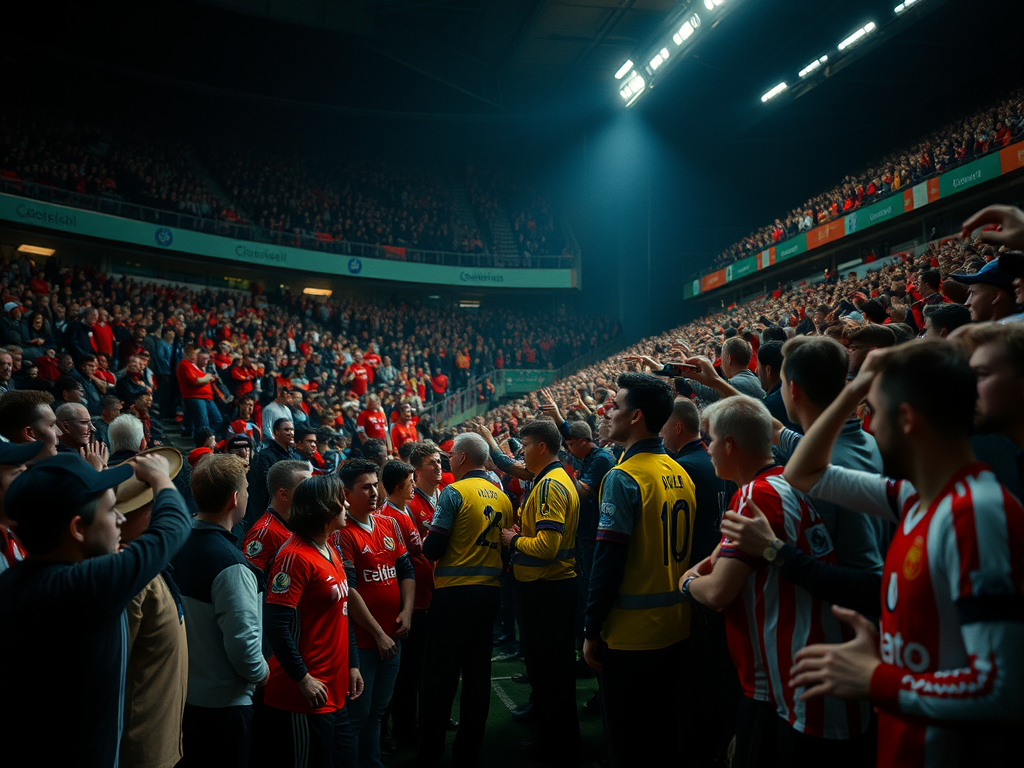
The first leg, on May 7, 1975, took place in a pulsating Diekman Stadion. The stands overflowed with a hurricane of sound. Every player, from Epi Drost to Eddy Achterberg and Frans Thijssen, felt the unwavering support of the loyal crowd. It became a tactical spectacle, with both teams meticulously studying each other. Despite the pressure and chances for both sides, it remained 0-0. A result that left all options open for the return leg, but also underscored the immense strength of the opponent.
Two weeks later, on May 21, thousands of Twente fans traveled to the Rheinstadion in Düsseldorf for the decisive confrontation. Hope was still very much alive. The players gave their all, with the passion and fighting spirit so characteristic of FC Twente. But Gladbach's class ultimately proved too great. With a painful 5-1 defeat, the fairy tale came to an end. The disappointment was immense, the dream shattered.
Yet, and this is crucial, pride quickly took over. De Tukkers had shown the football world what a team with an unparalleled team spirit and the unconditional support of its fanbase was capable of. Reaching the UEFA Cup final was no small feat; it was a monumental achievement that gave the club an indelible identity. It proved that dreams can come true, even for the "smaller" clubs. This 1975 campaign forms the backbone of FC Twente's European aspirations.
Today, in De Grolsch Veste, we still carry the legacy of that team. The fighting spirit, the passion, and the unbreakable bond between club and supporter – that is the essence of FC Twente, forged in the fire of that legendary European journey. It was a moment that taught us that failure in the final is no shame, but that the journey to it and the way you undertake it are decisive for your soul. The heroes of '75 are forever etched in the history of De Tukkers.