 FC Twente Hub
In a landscape where millions of euros constantly circulate through European top football, it is crucial for clubs like FC Twente to employ astute financial strategies. Recent news from Belgium confirms that the Tukkers are once again reaping the rewards of such dynamics, with an unexpected financial boost strengthening the club's coffers and opening up new possibilities. This windfall, stemming from a transfer involving Club Brugge, once again underlines the importance of patient investment in youth development and a keen eye for talent, even if players only briefly wear the red of Twente. It is a welcome addition to the stability the club has painstakingly built in recent years, offering a glimpse into the clever ways the club's management continues to work towards a healthy future in Enschede.
The core of this financial boost often lies in a seemingly complex mechanism known as the solidarity contribution, a regulation established by FIFA. This system is designed to reward clubs that contribute to the training and development of young footballers when these players are later transferred for a fee. Specifically, 5% of the total transfer fee is reserved and distributed among the clubs where a player has played between his 12th and 23rd birthday. This compensation is distributed pro rata based on the duration of training at each club. For clubs that cannot annually count on Champions League income, such unexpected windfalls represent a crucial source of revenue that can be directly invested in the further development of the club.
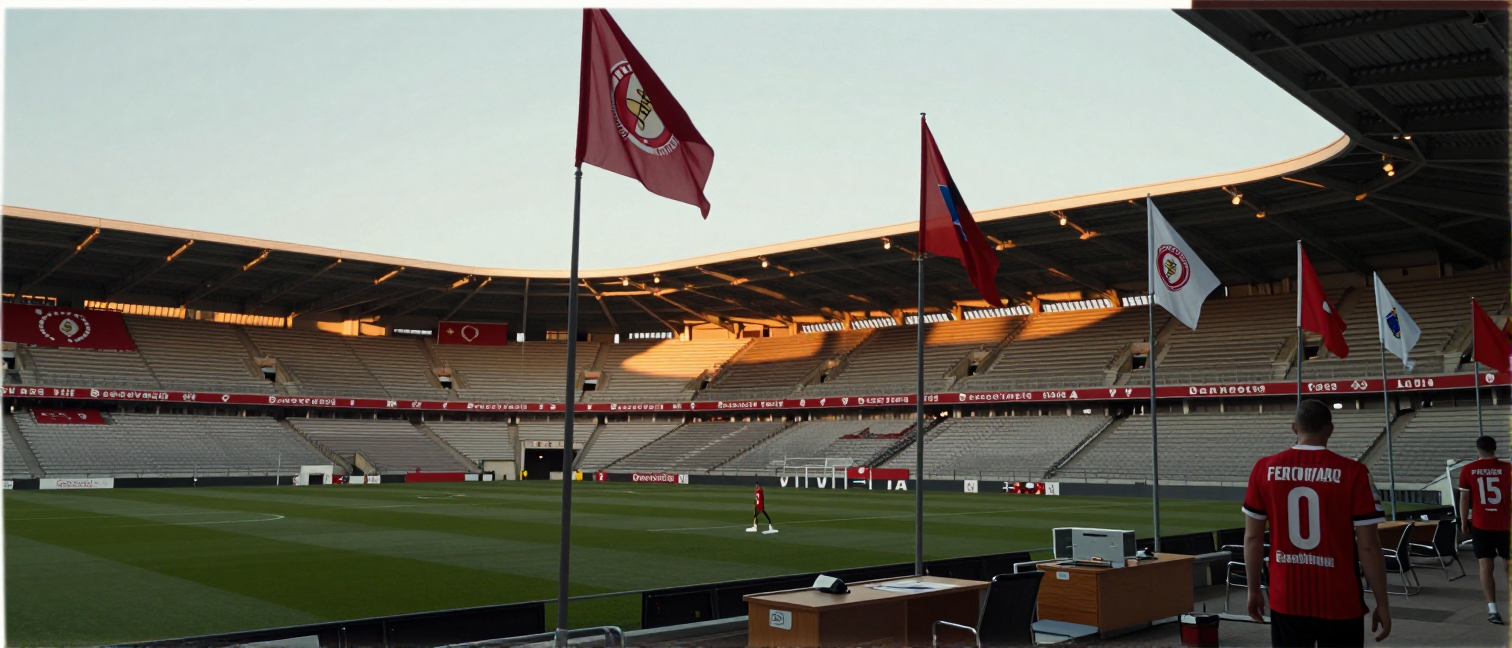
In this particular instance, all signs point to the recent transfer of Noa Lang, a player with a brief but not unnoticeable history at FC Twente. Lang was loaned from Ajax in the winter of 2020 and played a handful of matches in the Tukkers' shirt before the league was abruptly interrupted by the coronavirus pandemic. Although his period at the Grolsch Veste was short, he fell within the age bracket (12-23 years old) eligible for solidarity contributions. After his Twente adventure, Lang moved to Club Brugge, where he developed into an absolute star and eventually made a lucrative move to PSV for a reported 15 million euros. It is this profitable transition from Club Brugge to PSV that has triggered the solidarity contribution for FC Twente. Although the contribution for Lang's short training period is relatively modest compared to the total transfer fee, it is a valuable recognition of the role FC Twente played in his development.
The original reporting mentioned a 'top transfer of more than 30 million' at Club Brugge, a detail that may have caused some confusion. While Noa Lang's transfer to PSV was 'only' 15 million euros, it is important to understand the broader context of Club Brugge. The Belgian top club has emerged in recent years as a central player in the international transfer market, with players like Charles De Ketelaere being sold for astronomical sums (35 million euros to AC Milan). Such mega-deals create a financial dynamic within the club that benefits the entire football pyramid. The solidarity contribution for FC Twente, though originating from Lang's transfer, is a perfect example of how even relatively smaller clubs benefit from the immense capital flows moving through European top football. It is confirmation that every contribution to talent development, however small, can ultimately pay off.
For FC Twente, this financial injection comes at an excellent time. After years of financial restructuring and carefully climbing back to the top of the Eredivisie, every extra euro contributes to the sustainable growth and stability of the club. It allows policymakers to continue investing in crucial areas, such as youth development – the beating heart of any healthy club – and the scouting department, which is indispensable for timely discovery of future talents. Moreover, it can contribute to retaining key players, attracting targeted reinforcements, or further professionalizing the organizational structures within the club. It is a welcome boost that helps the club pursue its ambitions, both nationally and internationally, with even greater determination.
For the loyal supporters of FC Twente, this news is more than just a financial update; it is a sign of the healthy course the club is charting. It instills confidence in a management that looks beyond the short term and understands the mechanisms of modern football. The knowledge that the club is working on a stable future on multiple fronts, with an eye for both sporting performance and financial prudence, resonates deeply with fans who have endured a difficult period in recent years. These kinds of windfalls, however unexpected, contribute to a sense of pride and the conviction that FC Twente is once again a solid and respectable force in the Eredivisie, with the potential to consistently compete for European football.
While the current squad, led by Joseph Oosting, continues to fight for a top spot in the Eredivisie and qualification for European football, every financial boost contributes to the club's long-term vision. The solidarity contribution from Noa Lang's transfer is a striking example of how patient and strategic policy ultimately pays off. It reminds us that in the dynamic world of top-tier football, success depends not only on performance on the pitch but also on smart decisions off the field. FC Twente consistently proves its ability to seize opportunities as they arise, thereby building step by step towards a sustainably successful future.